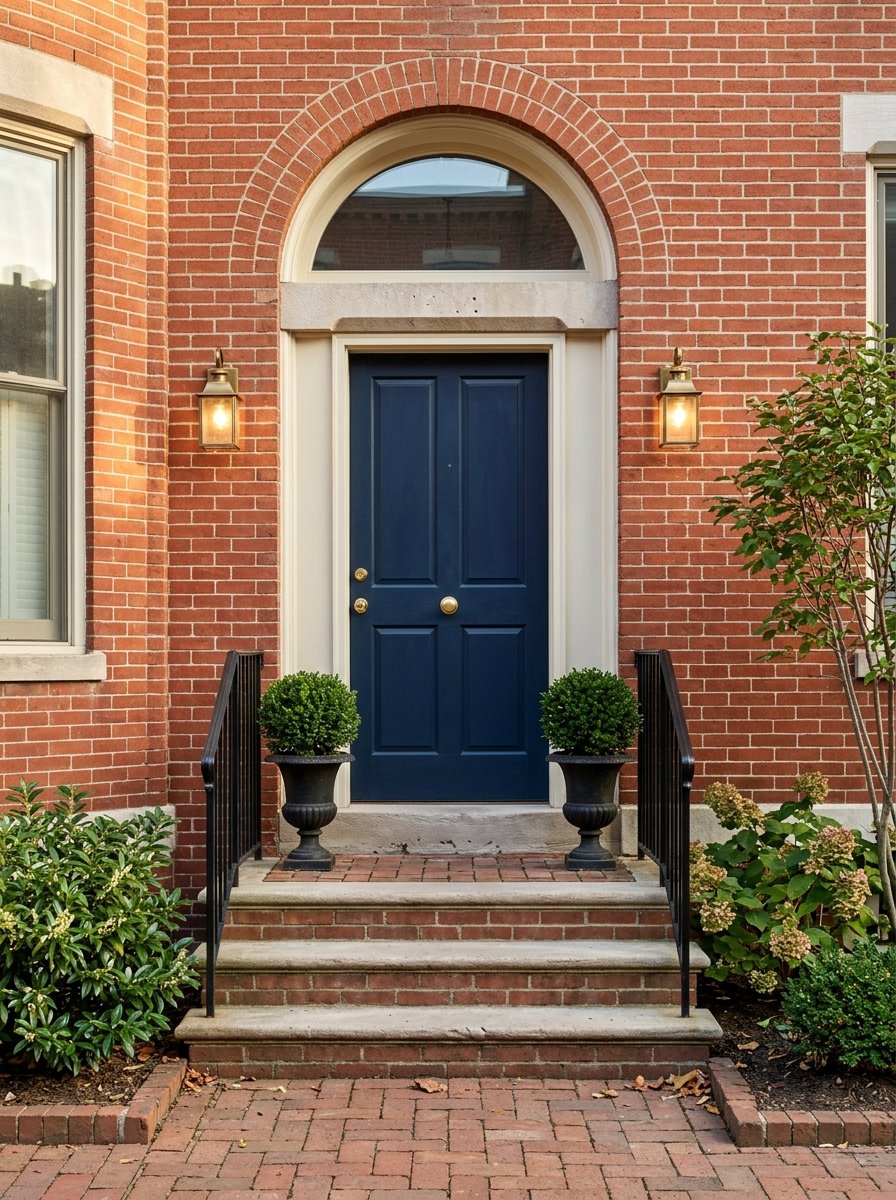
If you are thinking about listing your Georgetown home, it is natural to ask whether remodeling will help you earn a better result or simply add cost, delay, and stress. In a neighborhood where architecture, presentation, and historic context all matter, the answer is usually more nuanced than a simple yes or no. The good news is that most sellers do not need a full renovation to compete well. Instead, a smart plan focused on repairs, presentation, and selective updates often makes the most sense. Let’s dive in.
Why Georgetown changes the equation
Georgetown is not just another DC neighborhood. It is a historic district with premium pricing, distinctive housing stock, and review rules that can affect what you can change before listing. According to the DC Office of Planning's overview of the Georgetown Historic District, Georgetown was created as a historic district in 1950 and was the first historic district in Washington.
That historic status matters because buyers are often drawn to both condition and character. Recent market trackers cited in the research place Georgetown home values in roughly the $1.5 million to $1.7 million range, with Redfin reporting a February 2026 median sale price of $1.726 million and Zillow reporting an average home value of $1,513,783 as of March 31, 2026. In a market at that price point, visible wear can stand out, but that still does not mean a major remodel is the best pre-listing investment.
The short answer for most sellers
For most Georgetown homeowners, targeted cosmetic refreshes and necessary repairs are a better pre-listing strategy than a full remodel. That means focusing on the areas buyers notice first, addressing issues that could trigger concern during inspections, and avoiding expensive upgrades that may not return their cost.
This approach fits both the resale data and Georgetown's preservation context. It can also help you get to market faster, which matters if you want to avoid long project timelines and the uncertainty of construction.
Georgetown review rules matter
Interior work is usually simpler
One of the biggest reasons to avoid an unnecessary major remodel in Georgetown is the historic review process. According to the Georgetown design standards and guidelines, interior alterations and non-structural interior demolition are generally not subject to preservation review.
That makes interior cosmetic work much easier to plan before listing. If you want to repaint, update light fixtures, refinish floors, or make modest kitchen or bath improvements within the existing footprint, those projects are usually more practical than changing visible exterior features.
Exterior work can be more complicated
Visible exterior changes are a different story. The Old Georgetown Board review framework and related preservation process can apply to exterior architectural features, height, appearance, color, and the texture of exterior materials.
In practical terms, that means sellers should be careful before assuming an exterior upgrade will be quick or simple. Even if a project looks like a strong resale improvement on paper, it may involve extra review if it is visible from a street or alley.
Some routine work may be exempt
There is still good news for sellers. The DC preservation exemptions page notes that some routine work is exempt from preservation review, including many painting projects and routine window work, though exceptions apply, such as painting unpainted masonry on a historic landmark property.
This is one reason small, practical projects are often the safest move before listing. You can improve presentation without taking on more regulatory complexity than necessary.
What improvements are most worth considering
Start with cleaning and decluttering
If you do only a few things before listing, begin here. The National Association of Realtors consumer guide to marketing your home says cleaning, decluttering, staging, and curb appeal work can make a home more marketable.
In Georgetown, that guidance is especially relevant. A deep clean, edited rooms, and a lighter visual presentation help buyers focus on the home's scale, period details, and overall livability instead of distractions.
Address obvious repairs
Necessary repairs are often more important than upgrades. HouseLogic's home inspection guidance for sellers notes that structural defects, safety issues, and code violations are the kinds of problems sellers typically need to address.
A pre-listing inspection can help you find these issues before a buyer does. That gives you more control over timing, contractors, and negotiation strategy.
Consider light cosmetic updates
Once the home is clean and repaired, selective cosmetic work may be worth doing. This could include fresh paint, updated lighting, minor hardware changes, floor refinishing, or a restrained kitchen or bath refresh that improves the look without turning into a full renovation.
The key is to keep the scope disciplined. You want the home to feel cared for and move-in ready, not overbuilt for resale.
What the ROI data suggests
The resale math strongly supports a measured approach. In the JLC 2025 Cost vs. Value report, high recoup rates were concentrated in smaller and more visible projects, while upscale bath and kitchen remodels returned much less.
The Washington, DC data is even more useful for local sellers. In the 2024 Washington, DC Cost vs. Value report, a minor kitchen remodel recouped 100%, while a midrange major kitchen remodel recouped about 49.4% to 49.5%. Upscale kitchen remodels recouped only about 34.5% to 38%, and upscale bath remodels recouped about 39.5% to 45.1%.
That is a meaningful gap. If your goal is to improve saleability and protect your net proceeds, a restrained update is usually much easier to justify than a luxury pre-sale renovation.
When remodeling may make sense
There are times when doing work before listing is the right move. In general, remodeling is more defensible when the home has clear cosmetic fatigue, when the work can be completed quickly within the current layout, or when a known issue is likely to become a recurring objection from buyers.
You may want to remodel before listing if:
- Your home feels noticeably dated compared with nearby competing listings
- A pre-listing inspection identifies repairs that could derail negotiations
- The kitchen or baths need a light refresh rather than a full rebuild
- The work is mostly interior and can be completed without major review or delay
- The updates will improve first impressions in photos and showings
In these situations, a focused investment can help your home show more confidently and reduce friction once buyers start touring.
When selling as-is may be smarter
A full remodel is not always the best answer, especially in Georgetown. If the home is functionally sound but simply dated, or if your renovation ideas would trigger a more complex exterior review without solving a real problem, selling as-is and pricing strategically may be the better path.
Selling as-is may make more sense if:
- Your budget is limited
- The proposed work is mostly cosmetic and highly personal in style
- The exterior scope may trigger historic review and delay your timeline
- Buyers in your price segment may prefer to customize the home themselves
- The home's location, scale, and character already support strong demand
In many cases, pricing and presentation can do more for your result than a costly remodel. NAR also notes that competitive pricing can expand the pool of interested buyers, which can be just as important as the finish level of the home.
A practical Georgetown pre-listing plan
If you are not sure where to spend, this is usually the safest order of operations:
- Meet with your agent first to evaluate likely buyer expectations in Georgetown.
- Get a pre-listing inspection to uncover repair items early.
- Handle structural, safety, and code-related issues before cosmetic work.
- Deep clean and declutter every room.
- Refresh presentation with paint, lighting, staging, and light landscaping if appropriate.
- Consider only selective updates that have a clear resale purpose.
- Check Georgetown review requirements before starting any visible exterior project.
This kind of plan keeps you focused on return, timing, and risk instead of reacting emotionally to every imperfect detail.
Why agent guidance matters before you spend
Before you commit money to any pre-listing project, it helps to pressure-test the decision against actual market strategy. The NAR consumer guide notes that an agent should help shape marketing strategy, including staging, photography, and pricing.
In Georgetown, that advice is especially important because every property has its own mix of historic character, buyer expectations, and possible review constraints. The best pre-listing plan is rarely about doing the most work. It is about doing the right work for your home, your timeline, and your likely buyer pool.
If you are weighing whether to remodel, refresh, or sell as-is, a neighborhood-specific strategy can save you time and protect your bottom line. Kerry Fortune Real Estate offers thoughtful, concierge-style guidance to help you decide where pre-listing dollars are likely to matter most in Georgetown.
FAQs
Should you remodel before listing a home in Georgetown?
- Usually, targeted cosmetic updates and necessary repairs make more sense than a full remodel unless the home has a major functional issue or sits well below neighborhood standards.
Can you do interior updates in Georgetown without preservation review?
- Generally yes, because interior alterations and non-structural interior demolition are typically not subject to preservation review, though you should confirm the scope before starting work.
Should you renovate the kitchen before selling a Georgetown home?
- A minor kitchen update may be worth considering, but a major or upscale kitchen remodel usually has a much lower recoup rate based on Washington, DC Cost vs. Value data.
What pre-listing projects are safest for Georgetown sellers?
- Cleaning, decluttering, staging, paint, landscaping, and fixing obvious repair issues are usually the lowest-risk and most practical pre-listing investments.
Should you ask an agent before starting a Georgetown remodel?
- Yes, because an agent can help you compare likely resale impact against cost, timing, buyer expectations, and Georgetown's historic-district constraints.
