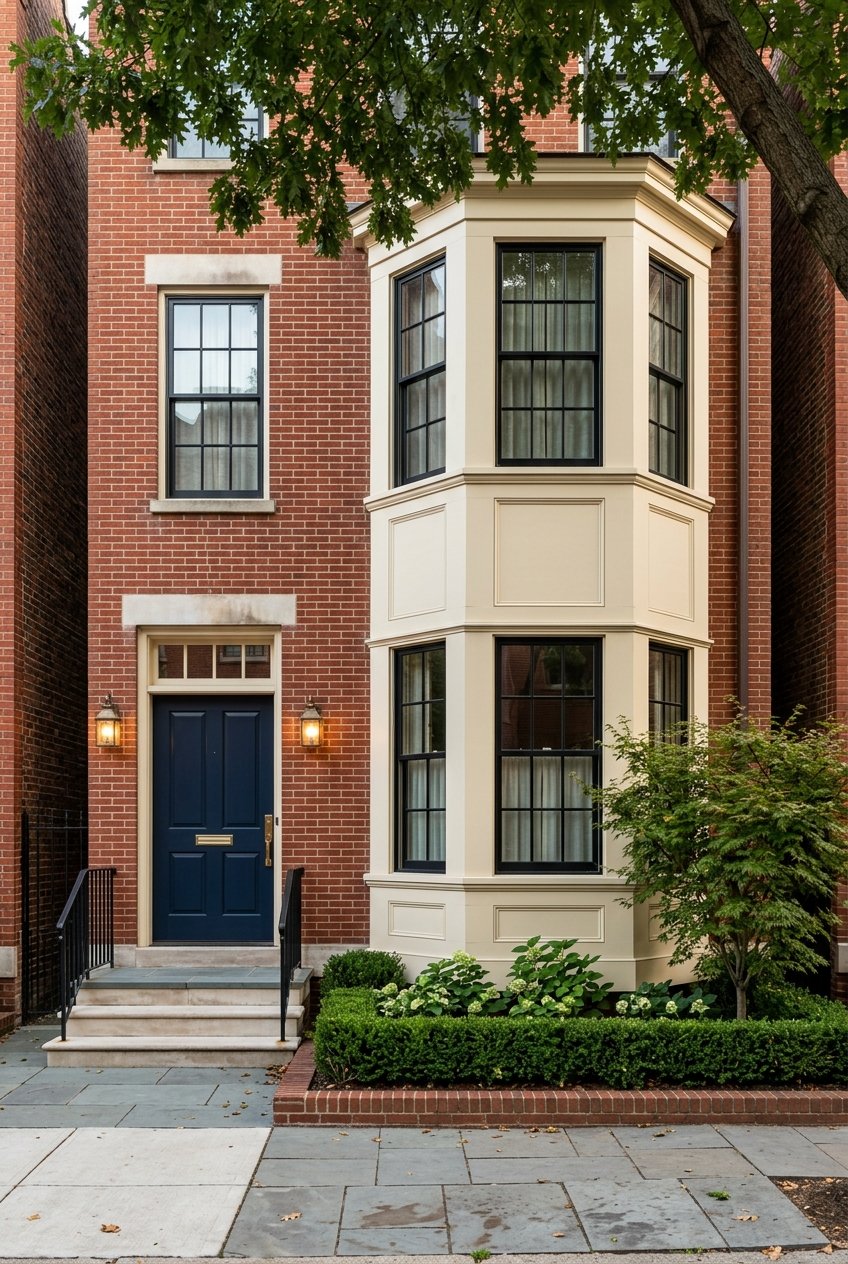
If your move to Washington, DC is tied to an international career, a diplomatic posting, or a fast-paced professional transition, Kalorama tends to stand out quickly. It offers a rare mix of privacy, architectural character, and close-in access to some of the city’s most globally connected corridors. If you are trying to figure out whether that balance fits your lifestyle, this guide will help you understand what makes Kalorama distinct and what to consider before you buy. Let’s dive in.
Why Kalorama Feels Global
Kalorama’s identity is closely tied to two adjacent historic districts in Northwest DC: Sheridan-Kalorama and Kalorama Triangle. The area has long carried both a residential feel and an international presence, which is part of why it appeals to relocation buyers who want substance, not just convenience.
That global character is not just anecdotal. The National Capital Planning Commission notes that Sheridan-Kalorama contains the largest number of chanceries in the city, and embassies are concentrated along Massachusetts Avenue’s Embassy Row and in nearby Northwest neighborhoods including Kalorama. For buyers relocating from abroad or moving for policy, nonprofit, or government work, that context can make the neighborhood feel immediately aligned with daily life in DC.
There is also a long institutional memory here. The Sheridan-Kalorama historic district materials describe a neighborhood shaped by prominent residents and a diplomatic community that helped support long-term social and physical stability. If you are looking for a neighborhood with a settled identity and a strong sense of place, Kalorama delivers that in a very DC way.
What Daily Life Feels Like
One reason Kalorama works so well for relocation is that it feels calm without feeling isolated. The historic district materials consistently describe hilly, tree-lined streets and a quiet residential setting, which gives the area a tucked-away quality that many buyers want after long workdays or frequent travel.
At the same time, you are still positioned near major city connections. Dupont Circle and Woodley Park-Zoo/Adams Morgan are Red Line stations, giving you access to one of DC’s main transit spines and practical connections to business and cultural destinations across the city.
The setting also reflects the neighborhood’s name. DC materials note that Kalorama comes from the Greek for “beautiful view,” a nod to the hilltop topography and outlooks toward Rock Creek. For many relocation clients, that elevated, green setting is a meaningful part of the appeal.
Housing Options in Kalorama
A single Kalorama search can surface very different kinds of homes, and that is one of the neighborhood’s strengths. The housing stock ranges from apartment living to estate-scale residences, which gives you flexibility depending on your timeline, budget, and preferred level of maintenance.
In Kalorama Triangle, the historic building stock is almost entirely residential and is dominated by rowhouses and apartment buildings. That can be appealing if you want architectural character with a more urban housing form or if you are looking for a smaller footprint near central DC.
In Sheridan-Kalorama, the mix broadens significantly. The district includes free-standing houses, townhouses, grand mansions, and large apartment buildings, according to the Sheridan-Kalorama brochure. If you value privacy, generous proportions, and a more formal residential setting, this part of Kalorama often draws the most attention.
Why the Housing Mix Matters
For a relocating buyer, the variety in Kalorama is more than a design detail. It affects how easily you can match your home search to your move.
Some buyers want a lock-and-leave apartment or condo-style residence that supports travel and a busy schedule. Others want a townhouse or detached home that offers more space, more privacy, and a stronger long-term foothold in the city. Kalorama can support both paths because its development history created a layered housing mix rather than a single housing type.
The district brochures help explain why. Kalorama Triangle evolved in a more urban, streetcar-oriented pattern, while Sheridan-Kalorama developed with larger lots and individually commissioned detached homes. That distinction still shapes what buyers find today.
Green Space and Breathing Room
A global lifestyle often comes with long days, dense schedules, and plenty of time indoors. Kalorama stands out because it offers access to meaningful open space without giving up a central location.
Nearby Rock Creek Park spans 1,754 acres and includes more than 32 miles of trails. The National Park Service describes it as an oasis in the city, and for many buyers that is exactly the value proposition: a substantial green buffer close to home.
There is also neighborhood-scale outdoor space. Kalorama Park is a 3-acre triangular park at Columbia Road, Kalorama Road, and 19th Street NW, offering a smaller local option woven into the neighborhood fabric.
For weekend outings or visiting guests, the Smithsonian’s National Zoo is also nearby. It sits on 163 acres in Rock Creek Park, which adds another cultural and outdoor amenity within easy reach.
Transit and City Access
Relocation decisions are rarely just about the home itself. You are also thinking about how easily you can move through the city, reach work, and stay connected to the places you will use most.
Kalorama benefits from its Northwest DC location near Dupont Circle, Woodley Park, Adams Morgan, and Massachusetts Avenue corridors. With Red Line access nearby, the neighborhood offers practical connectivity while preserving a more residential atmosphere than some busier DC addresses.
That balance matters if you split time between home, offices, institutions, international organizations, or frequent hosting. You can stay close to DC’s key professional corridors without living directly in the middle of the noise.
Historic Character Comes With Responsibilities
For many buyers, Kalorama’s historic setting is a major part of the draw. Mature architecture, preserved streetscapes, and a consistent residential feel are hard to replicate elsewhere.
But if you are relocating and planning to renovate, update, or expand a property, it is important to understand the rules that may apply. In DC, most building and site construction requires a permit, and historic properties need Historic Preservation Office clearance as part of that process, according to the DC Office of Planning.
Some work is exempt from preservation review, including most interior alterations and certain routine maintenance or window tasks, as outlined by the preservation review exemptions. Still, if you are considering exterior changes, additions, or other visible updates, it is wise to confirm what approvals may be needed before you close.
Smart Questions to Ask Before Buying
When you relocate to a neighborhood like Kalorama, due diligence matters. The charm is real, but so is the importance of understanding how an older, historically designated property will function for your lifestyle.
Consider asking questions like:
- Does the property’s layout fit how you live and work now?
- If the home is in a historic district, what exterior changes may require review?
- Are you looking for a lower-maintenance apartment or a larger townhouse or detached residence?
- How important is proximity to Metro, Embassy Row, or Rock Creek Park?
- Do you want a move-in ready home, or are you comfortable with a longer planning horizon for updates?
These questions can help you narrow your options and avoid chasing homes that look right on paper but do not align with your day-to-day needs.
Who Kalorama Suits Best
Kalorama often resonates with buyers who want Washington access with a quieter residential backdrop. That can include diplomats, international professionals, policy and nonprofit leaders, executives, and relocating households who value discretion, architecture, and proximity to major institutions.
It can also be a strong fit if you want a neighborhood that feels established rather than transitional. The combination of historic districts, diplomatic presence, tree canopy, and varied housing stock gives Kalorama a distinctive rhythm that feels both local and international.
If that sounds like the lifestyle you are after, the next step is not just browsing listings. It is understanding which part of Kalorama, and which housing type within it, best matches your priorities.
A well-planned relocation starts with neighborhood clarity. If you are considering a move to Kalorama or comparing it with other Northwest DC neighborhoods, Kerry Fortune Real Estate offers the local insight and concierge-level guidance to help you find the right fit with confidence.
FAQs
What makes Kalorama appealing for relocation to Washington, DC?
- Kalorama offers a quiet residential setting, close access to key Northwest DC corridors, a strong diplomatic presence, and a wide range of historic housing types.
What types of homes can you find in Kalorama, DC?
- Buyers can find rowhouses, apartment buildings, townhouses, detached homes, grand mansions, and large apartment residences across the area’s two historic districts.
Is Kalorama, DC close to embassies and diplomatic institutions?
- Yes. National Capital Planning Commission materials state that Sheridan-Kalorama contains the largest number of chanceries in the city, with embassies concentrated along nearby Embassy Row and surrounding Northwest neighborhoods.
Are there parks and green spaces near Kalorama, DC?
- Yes. Kalorama is close to Rock Creek Park, Kalorama Park, and the Smithsonian’s National Zoo, giving residents access to both large natural areas and neighborhood-scale open space.
Do historic district rules affect homes in Kalorama, DC?
- Yes. Many properties in Kalorama are within historic districts, and exterior changes or larger projects may require permit review and Historic Preservation Office clearance.
Is Kalorama, DC convenient for Metro access?
- Yes. Dupont Circle and Woodley Park-Zoo/Adams Morgan are nearby Red Line stations, which support access to major destinations across Washington, DC.
