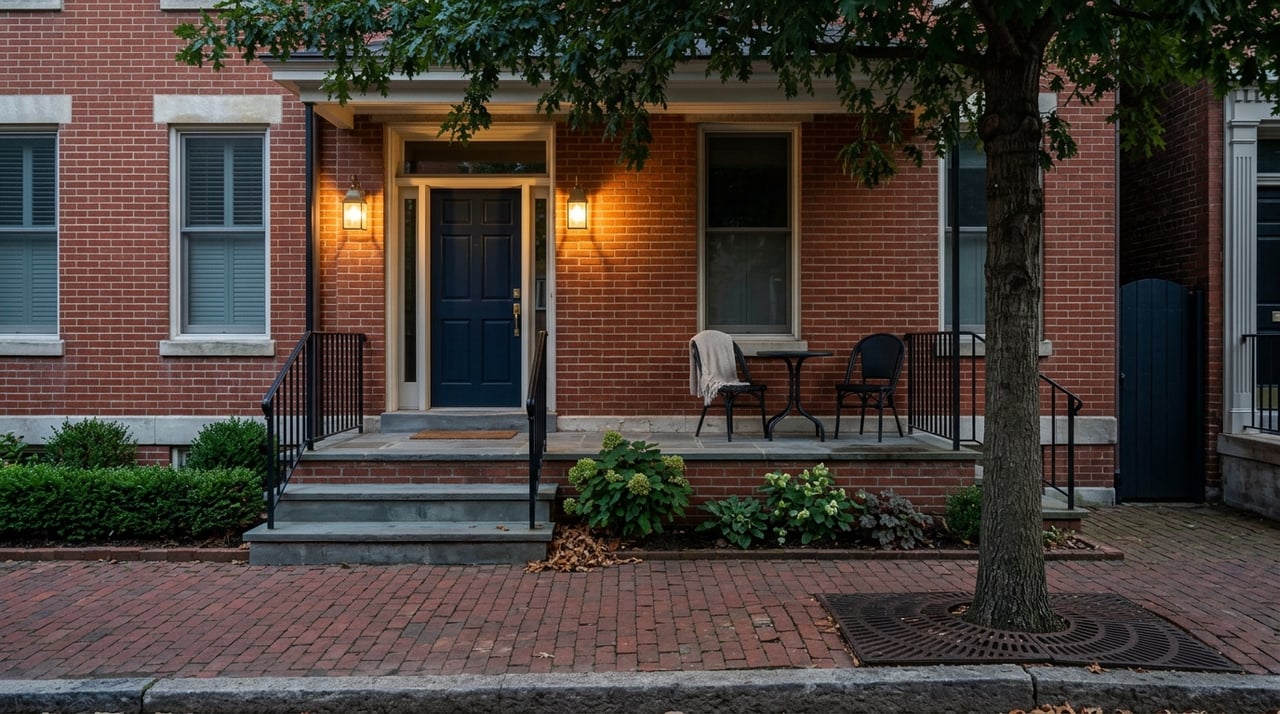
Looking for a DC neighborhood that feels lively without feeling overwhelming? Mount Pleasant stands out for exactly that balance. If you are drawn to historic homes, local routines, and streets that still feel personal, this neighborhood offers a rhythm that is easy to picture and easy to love. Let’s take a closer look at what gives Mount Pleasant its distinct charm.
Why Mount Pleasant Feels Distinct
Mount Pleasant has the feel of an urban village with a long memory. According to DC planning documents, it grew significantly after the 1903 streetcar line opened, which helped shape the mix of rowhouses, apartment houses, and commercial buildings that still define the neighborhood today.
The neighborhood is also grounded in a clear historic identity. The Mount Pleasant Historic District was designated in 1986, and its period of significance spans from 1851 to 1949. That long timeline helps explain why the area feels layered rather than uniform.
Planning records describe Mount Pleasant as roughly bounded by 16th Street, Harvard Street, and Rock Creek Park. Within those edges, you get a dense but human-scale setting that feels lived-in, walkable, and connected to daily life.
Front Porches Shape the Streetscape
In Mount Pleasant, porches are more than a design detail. Historic district materials repeatedly point to front porches, wide porches, and porch-based entries as part of the neighborhood’s visual rhythm.
That matters because architecture shapes how a place feels. In Mount Pleasant, porch-front homes help create a softer edge between private homes and the sidewalk, giving many blocks a welcoming, social quality.
Some older buildings that shifted from residential to retail use still retain porch features as entry spaces or outdoor seating. That architectural continuity helps the commercial corridor feel connected to the residential blocks around it.
Homes You Will Commonly See
The housing stock in Mount Pleasant is varied, but it stays cohesive. Based on DC historic district documentation, the broad mix includes:
- Rowhouses
- Semi-detached houses
- Detached Victorian-era homes
- Small apartment buildings
- Some converted commercial-residential structures
The neighborhood’s hilly terrain, broad proportions, and repeating rooflines tie these building types together. If you value character and visual texture, Mount Pleasant offers plenty of both.
Mount Pleasant Street Sets the Daily Rhythm
Mount Pleasant Street is the neighborhood’s commercial heart. DC planning documents describe it as the primary retail corridor for the surrounding community, running diagonally from Park Road to 16th Street and Columbia Road.
The corridor has long served as a local shopping street, and that role still shows today. Rather than feeling dominated by large chains, it reads as a neighborhood-scale main street with everyday businesses and familiar routines.
DDOT public-space findings reinforce that impression. The street is noted for many locally owned businesses, very few chain stores, and wide brick sidewalks, all of which support an intimate and approachable atmosphere.
What Everyday Life Looks Like
One of Mount Pleasant’s strengths is how easy it is to imagine your weekend or evening here. The neighborhood supports a routine that feels local rather than staged.
You might picture a Saturday market stop, a coffee or casual meal on Mount Pleasant Street, a visit to an independent shop, and then a quieter evening back on a residential block. That mix of energy and calm is part of what makes the area memorable.
District Bridges’ Columbia Heights | Mount Pleasant Main Streets program highlights a range of locally rooted businesses in the area, including bookstores, restaurants, cinema, ice cream, and practical service spots like grocery and pharmacy options. Together, they support the kind of daily convenience many buyers and sellers look for in a city neighborhood.
Market Days Add a Familiar Ritual
Few neighborhood routines feel more grounded than a regular farmers market, and Mount Pleasant has one that many DC residents recognize. Current listings vary on the exact season and hours, but they consistently place the Mount Pleasant Farmers’ Market on Saturdays at Mount Pleasant Plaza or Lamont Park near 17th and Lamont or 3200 Mount Pleasant Street NW.
Washington.org describes the market as a Saturday morning stop for produce, baked goods, cheese, snacks, live music, and even a bike clinic. That kind of weekly ritual adds texture to the neighborhood and gives residents a built-in reason to be out on foot.
For buyers, that can be meaningful because it offers a glimpse of everyday life, not just real estate inventory. For sellers, it helps illustrate why Mount Pleasant often leaves a strong impression on people exploring Northwest DC.
Green Space Is Close at Hand
Mount Pleasant is dense and social at street level, but it also sits beside one of the city’s major natural assets. The National Park Service describes Rock Creek Park as a 1,754-acre urban park with more than 32 miles of hiking trails.
DC planning materials also note that Rock Creek Park, the National Zoo, and the Piney Branch tributary help define the neighborhood’s edges. In practical terms, that means you can enjoy an active neighborhood setting while staying close to wooded open space and trail access.
That balance is part of Mount Pleasant’s appeal. You get a neighborhood that feels connected and urban, yet still close to a substantial green system.
What Buyers Notice in Mount Pleasant
If you are considering a move to Mount Pleasant, the neighborhood often stands out for a few clear reasons. It offers a combination of historic housing, local businesses, and walkable daily routines that can be hard to replicate.
Buyers are often drawn to:
- Architectural character across rowhouses, Victorians, and small apartment buildings
- A neighborhood-scale retail corridor centered on Mount Pleasant Street
- A strong sense of local identity supported by independent businesses
- Access to Rock Creek Park and nearby green space
- A human-scale streetscape with porches, brick sidewalks, and varied building forms
For clients who want a DC neighborhood with personality and a strong sense of place, Mount Pleasant is worth a close look.
What Sellers Can Highlight
If you own a home in Mount Pleasant, the neighborhood gives you more than one strong talking point. Buyers are often responding not just to square footage or finishes, but also to how the location lives day to day.
When your property is positioned well, it can benefit from the neighborhood’s historic setting, recognizable main street, and proximity to parkland. Those details help shape buyer perception and can make a home feel part of a larger story.
This is where neighborhood-specific guidance matters. A thoughtful marketing strategy should connect your home’s features to the broader lifestyle Mount Pleasant offers, while staying grounded in facts and the property’s actual strengths.
Why Local Guidance Matters
Mount Pleasant is not a one-note neighborhood, and that is part of its appeal. Its housing stock varies, its blocks can feel different from one another, and the value of location often depends on nuanced details like streetscape, building type, and access to the commercial corridor or park edge.
If you are buying, that means it helps to have guidance that goes beyond broad generalizations. If you are selling, it means your home deserves positioning that reflects the neighborhood’s texture and what today’s buyers actually notice.
At Kerry Fortune Real Estate, we believe neighborhood knowledge should be practical, specific, and tailored to your goals. If you are considering a move in Mount Pleasant or preparing to sell, connect with Kerry Fortune Real Estate for informed, concierge-level guidance.
FAQs
What is Mount Pleasant known for in Washington, DC?
- Mount Pleasant is known for its historic housing, porch-lined streets, neighborhood-scale retail corridor on Mount Pleasant Street, and close access to Rock Creek Park.
What types of homes are common in Mount Pleasant?
- Common housing types include rowhouses, semi-detached houses, detached Victorian-era homes, small apartment buildings, and some converted commercial-residential structures.
Where is the Mount Pleasant Farmers’ Market located?
- Current listings consistently place the market on Saturdays at Mount Pleasant Plaza or Lamont Park near 17th and Lamont, around 3200 Mount Pleasant Street NW.
What makes Mount Pleasant Street important to the neighborhood?
- Mount Pleasant Street serves as the neighborhood’s primary retail corridor and supports a local, neighborhood-serving mix of businesses along a walkable main street.
Is Mount Pleasant close to parks and trails?
- Yes. Mount Pleasant sits next to Rock Creek Park, which the National Park Service describes as a 1,754-acre urban park with more than 32 miles of hiking trails.
