Imagine starting your day with a quiet jog along a historic canal, then walking to coffee and errands on brick sidewalks. If you are weighing a move to historic Georgetown, you are likely balancing charm, convenience, and practical tradeoffs. In this guide, you will learn how daily life actually works here, from housing types and preservation rules to commuting, parking, and local amenities. Let’s dive in.
Everyday vibe on the streets
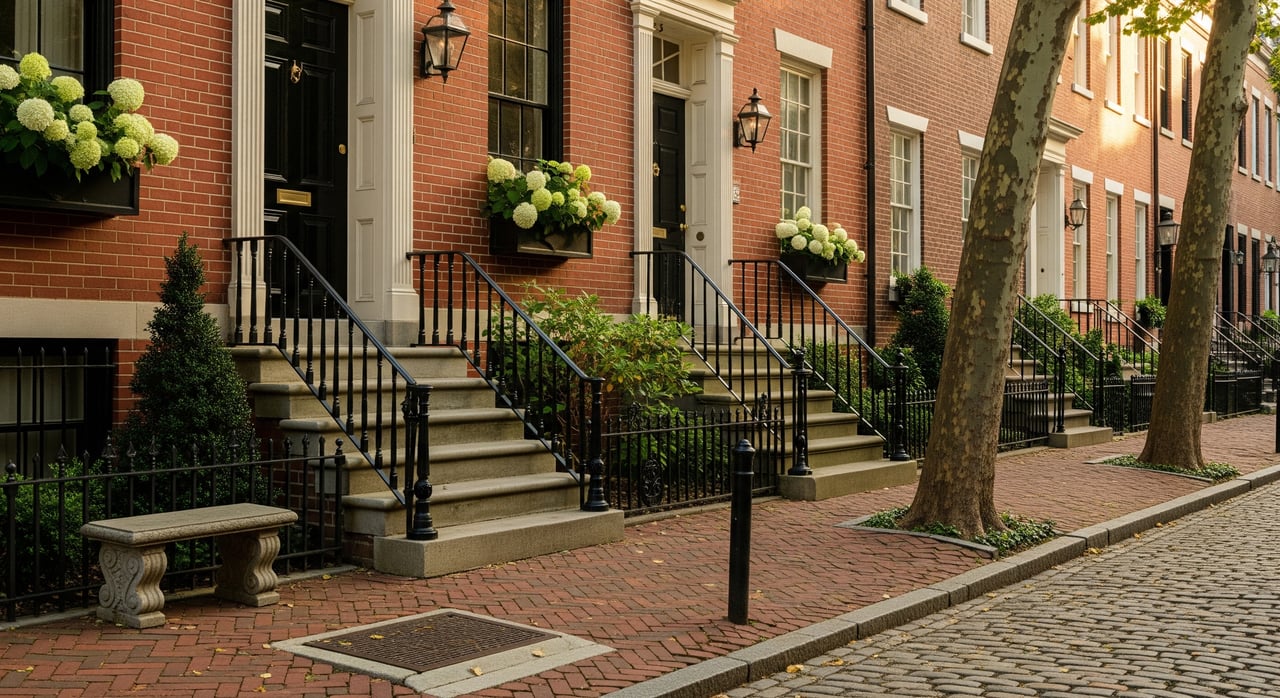
Georgetown is one of DC’s oldest neighborhoods, and it feels that way in the best sense. You see compact blocks, brick sidewalks, narrow streets, and stretches of cobblestone that preserve an 18th and 19th century character. Residential side streets are quiet, while M Street NW and Wisconsin Avenue NW carry most of the shopping, dining, and services you use during the week.
Public green spaces add breathing room throughout the area. You can walk the C&O Canal towpath, linger at Georgetown Waterfront Park, or visit garden museums like Dumbarton Oaks and Tudor Place. The Old Stone House anchors a piece of everyday history in the center of it all.
A day in the life
- Morning: jogs or walks along the C&O Canal towpath, then coffee and pastries from neighborhood cafes.
- Midday: errands, boutique shopping, and lunches along M Street and Wisconsin Avenue.
- Afternoon and evening: dining by the water, sunset strolls, university events at Georgetown University, and small venue nightlife.
- Recreation: paddling or kayaking services on the Potomac, fitness studios, and seasonal farmers’ market and community events.
Housing types and lifestyle tradeoffs
You will find a mix of historic brick rowhouses, boutique and larger condominiums, a few small apartment buildings, and occasional single family homes on wider lots away from the main corridors. Many rowhouses show Federal, Greek Revival, or Victorian influences. Interiors often blend preserved facades with updated systems and finishes.
Older homes come with period charm and practical realities. Narrow staircases, original trim, and fireplaces are common, as are maintenance considerations typical of aged buildings. Plan for thorough inspections that evaluate mechanical systems, foundations, moisture, and any potential lead paint.
Condo vs rowhouse quick compare
- Ownership and maintenance: condos include shared elements with monthly HOA dues and association management, while rowhouses are fee simple and place full maintenance responsibility on you. Exterior changes to rowhouses are subject to historic review.
- Space and outdoor areas: rowhouses often deliver more vertical space and sometimes a small yard or roof deck. Condos may offer amenities and more predictable maintenance costs but less private square footage.
- Parking: some condos offer assigned parking. Many rowhouses do not include off street parking, so confirm status before you buy.
- Cost structure: both condos and rowhouses command premium pricing in the historic core. Condos can have lower entry prices than some townhouses but include ongoing HOA fees. Historic restrictions can increase renovation costs for rowhouses.
Historic preservation basics
The entire neighborhood sits within a protected historic district. Exterior alterations, facade changes, rooftop additions, and demolition typically require review by the Old Georgetown Board and may involve the DC Historic Preservation Office.
- Plan extra time for approvals and permits if you want to modify a facade, add a dormer, or make other exterior changes.
- As a buyer, ask for records of prior approvals and check for any outstanding violations.
- As a seller, gather documentation for permitted renovations to reassure buyers and smooth due diligence.
Transportation and commuting
There is no Metro station within central Georgetown. The nearest stations are Foggy Bottom GWU to the east and Rosslyn across the Key Bridge. This shapes how you commute. Many residents rely on buses, the DC Circulator, Capital Bikeshare, scooters, rideshares, and walking to reach Metro or nearby hubs.
Street parking is constrained, and Residential Permit Parking zones and time limits are standard. Traffic bottlenecks can occur on the Key Bridge and the main corridors during peak periods. Seasonal water taxi services have historically connected waterfront destinations, but availability varies by operator.
Try this before you commit:
- Test your commute during peak hours using your preferred mode.
- If you plan to drive, time the Key Bridge approach and your likely route.
- Map bike and scooter options from your target block to Metro.
Parking and car ownership
Set realistic expectations on parking. Many rowhouse properties do not have off street parking. Some condo buildings include assigned stalls, and that allocation affects value and convenience. If parking matters, verify any garage, pad, or alley access during due diligence and confirm the exact space on the record.
Shopping, dining, and culture
M Street NW and Wisconsin Avenue NW offer a dense mix of national retailers, independent boutiques, cafes, wine bars, and restaurants across a range of price points. Everyday services like salons and dry cleaners are close at hand. Along the waterfront, you will find restaurants with seasonal outdoor seating and river views.
Cultural life runs deep here. Museum and garden destinations like Dumbarton Oaks, Tudor Place, and the Old Stone House add to everyday exploration. Georgetown University energizes the area with cultural and athletic events and a steady student presence.
Who thrives here
- Households that value walkability and a historic setting often find the mix of quiet side streets and lively corridors appealing.
- Professionals comfortable with multi mode commuting, including buses, bikes, and rideshares, typically adapt well to the lack of a neighborhood Metro station.
- Buyers seeking curated outdoor spaces enjoy access to parks, garden museums, the canal, and the waterfront.
Noise levels and activity vary by block. Homes near the commercial corridors and university events experience more evening and weekend activity than interior residential streets.
Buying smart in the historic core
Focus your due diligence so you know the property and the rules that govern it.
- General inspections: evaluate structure, mechanicals, moisture, and pests.
- Title and boundaries: review for party wall issues, easements, or ground leases.
- Parking: verify any garage, pad, or assigned stall on the record.
- Commute testing: confirm your preferred route and timing.
For condos:
- Review HOA documents, minutes, reserve studies, and recent assessments.
- Confirm pet policies, rental rules, and parking allocations.
For rowhouses:
- Confirm lot lines and any shared wall agreements.
- Assess feasibility and cost of planned renovations within historic restrictions.
Selling well in the historic core
Inventory in the historic core is limited, and well maintained historic properties often command premiums. Position your home to emphasize what buyers value here.
- Pricing: work with an agent experienced in historic Georgetown to align with comparable sales for your subtype and location.
- Staging and presentation: highlight walkability, proximity to parks and university life, and modernized systems while preserving historic charm.
- Documentation: provide records of permitted work and any approvals. If you plan exterior updates before listing, start the review process early.
Market dynamics to know
Tight preservation controls and limited developable land constrain new supply, which supports ongoing demand and higher price points. Proximity to Georgetown University contributes to a steady rental pool. Investor interest can vary by building type and rental rules.
If you want a neighborhood that blends history with modern convenience, Georgetown’s core delivers a walkable, textured lifestyle with clear tradeoffs. With the right guidance, you can navigate preservation, parking, and commuting while securing a home that fits how you live.
Ready to explore homes or prep your listing in Georgetown? Connect with the principal led team at Kerry Fortune Real Estate for concierge level guidance tailored to your goals.
FAQs
What is daily life like in Georgetown’s historic core?
- Expect quiet residential streets paired with lively M Street and Wisconsin Avenue for daily errands, plus easy access to the C&O Canal, the waterfront, and garden museums.
How do I commute without a Metro station in the neighborhood?
- Many residents combine buses, the DC Circulator, bikes, scooters, rideshares, and short walks to nearby Metro stations like Foggy Bottom or Rosslyn.
Is parking difficult, and what should buyers expect?
- Street parking is limited with Residential Permit Parking rules, many rowhouses lack off street spaces, and some condos offer assigned parking that adds value.
How do historic district rules affect renovations and resale?
- Exterior changes typically require review by the Old Georgetown Board and may involve the DC Historic Preservation Office, which adds lead time and can raise renovation costs.
What are the main housing options in the historic core?
- You will see historic brick rowhouses, boutique and larger condominiums, a few small apartment buildings, and occasional single family homes on wider lots.
What should condo buyers review before making an offer?
- Request HOA documents, minutes, reserve studies, and recent assessments, and confirm pet policies, rental rules, and any assigned parking.
How does Georgetown University influence the neighborhood?
- The university adds cultural and athletic events, a student presence, and contributes to rental demand, which can shape activity patterns and investor interest.
