Torn between a sleek Dupont Circle condo and a classic rowhouse with a stoop? You are not alone. The choice shapes how you live day to day, what you pay each month, and even how you finance the purchase. In this guide, you will get a clear, local comparison of condos versus townhomes in Dupont, including ownership differences, parking realities, HOA dues, financing, and what to check before you make an offer. Let’s dive in.
Dupont snapshot
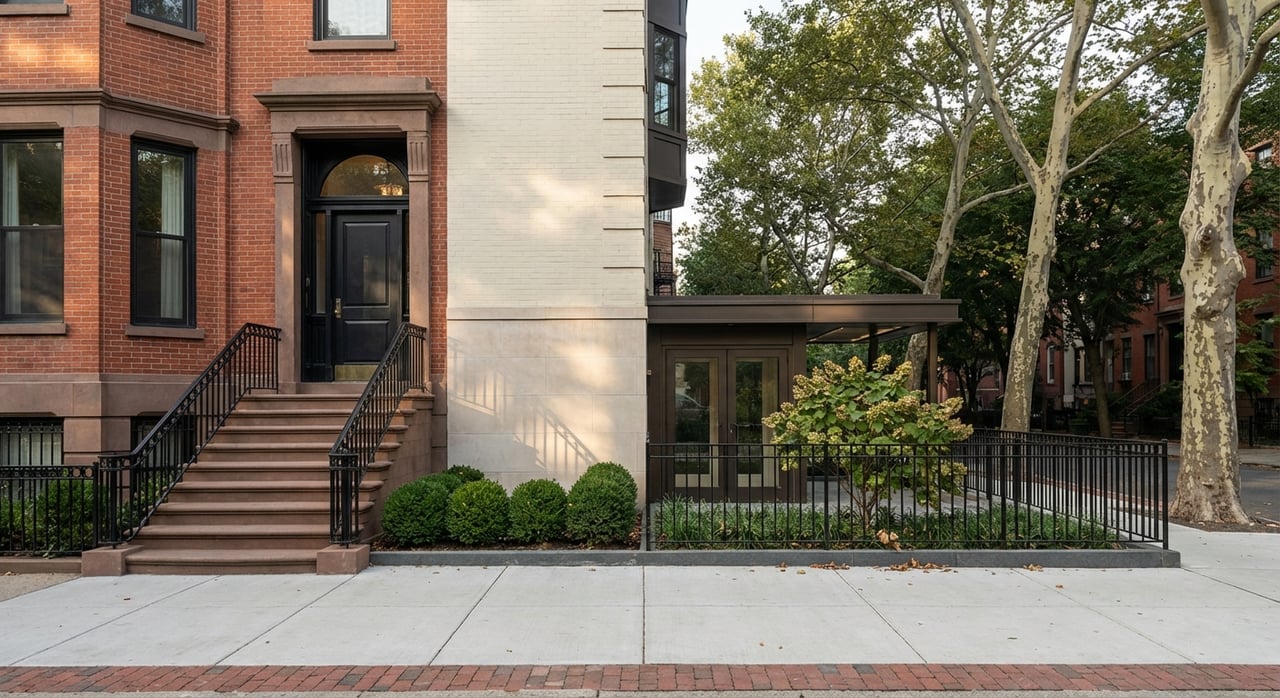
Dupont Circle is a historic, walkable neighborhood in Northwest DC with a mix of late‑19th and early‑20th century rowhouses, boutique condo and co‑op buildings, and newer infill condos. The Red Line’s Dupont Circle station anchors the area, which helps many owners rely less on cars for daily life. Learn more about the neighborhood’s character and historic protections on the Dupont Circle entry.
In recent market commentary, condos often provide a lower entry point than renovated townhomes, while rowhouses command a premium for private outdoor space and parking. Prices and days on market vary by building, level of finish, and whether parking is included.
What changes when you buy
Understanding the ownership structure will help you compare monthly costs, control, and responsibilities.
Condominium ownership
- You own your unit and share the building’s common elements with other owners.
- A condo association manages the exterior, roof, building systems, and amenities, funded by monthly dues.
- Dues may also cover some utilities, master insurance, and staff. Review budgets and reserves closely. See a plain‑English primer on condo and townhome differences in this homebuyer guide.
Townhome ownership
- Many Dupont rowhouses are fee simple, so you own the structure and land and handle most exterior care.
- Some properties sit in small HOAs with limited shared costs, while others have no HOA at all.
- Fee simple often gives you more flexibility for renovations, subject to local rules.
Historic district considerations
Large parts of Dupont sit in a protected historic district. Exterior changes on rowhouses, such as window replacements or rooftop additions, often require review and permits. That can add time and cost. Read about the area’s historic status on the Dupont Circle page.
Lifestyle tradeoffs to weigh
Maintenance
- Condos: Lower daily maintenance because the association handles common elements and the exterior. Expect monthly dues that can be higher in full‑service buildings.
- Townhomes: More owner responsibility for roof, exterior, and any yard. Lower or no HOA dues in many cases, but you budget for capital repairs.
Privacy and layout
- Condos: Single‑level living with shared entrances and common spaces.
- Townhomes: Multi‑level, house‑like feel with a private entrance and often a yard, terrace, or rooftop.
Amenities and services
- Condos: Some buildings offer a front desk, gym, pool, or rooftop. These add convenience and can support resale, but usually increase dues.
- Townhomes: Rarely include concierge services, though some have private garages or driveways.
Parking and permits
- On‑street parking is managed through DC’s Residential Parking Permit (RPP) system. Rules vary by block, and visitor options can differ.
- Deeded or off‑street parking is a premium, especially for townhomes with garages.
- Review local parking rules through DDOT’s RPP zone maps.
Costs beyond purchase price
Comparing list prices does not tell the whole story. Focus on total monthly carrying cost: mortgage, HOA or condo dues, property taxes, and insurance.
HOA and condo dues
- National survey data shows a wide range of monthly HOA fees, with high‑amenity urban buildings typically at the upper end.
- What dues include matters. A higher fee that covers key utilities, strong master insurance, and a well‑funded reserve can be safer than a lower fee with frequent special assessments.
- Ask for the association budget, reserve study, insurance declarations, recent meeting minutes, and any notices of special assessments.
Property taxes in DC
- DC’s standard residential tax rate (Class 1A) is published by the Office of the Chief Financial Officer. Confirm your property class and current assessed value for accurate estimates on the DC property tax page.
Insurance and utilities
- Condos: You carry an HO‑6 policy for your unit interior. The master policy covers the building’s common elements. Some utilities may be included in dues.
- Townhomes: You carry a standard homeowner’s policy and pay all utilities directly.
Financing and resale factors
Condos and warrantability
Lenders evaluate the building, not just the unit. Many conventional, FHA, and VA loans require the project to be warrantable or approved. Factors include owner‑occupancy rates, reserves, insurance coverage, and litigation. Confirm eligibility early through tools like Fannie Mae’s Condo Project Manager.
FHA options
If you plan to use FHA financing, ask about the building’s approval status. FHA also offers Single‑Unit Approval in certain cases, subject to limits. Your lender can assess feasibility under HUD’s condominium guidance.
Townhomes and loan simplicity
Fee simple townhomes are often underwritten like single‑family homes. Financing can be simpler than a condo project review, especially if there is little or no HOA involvement.
How to choose in Dupont
Decide early
- Mobility and parking: If you need private or garage parking most days, focus on townhomes or condos with deeded spaces. If you mostly walk or use Metro, your condo options expand. Check block rules on the RPP maps.
- Maintenance appetite: Prefer low maintenance with shared amenities? A condo fits well. Want more control over exterior and yard? A townhome can be a better match.
- Budget tolerance: Compare total monthly cost, not price alone. Model mortgage, dues, taxes, and insurance side by side for any short list.
Documents to review
- Association package: Budget, reserve study, balance sheet, master insurance, 12 months of minutes, leasing rules, short‑term rental policy, special assessments, and any litigation disclosures. For condo lending criteria, see Fannie Mae’s condo and co‑op requirements.
- Eligibility check for condos: Ask your lender to verify project status through Fannie Mae and Freddie Mac systems and to advise on FHA or VA options.
- Title and tax: Confirm property class, assessed value, and any recorded liens or assessments. Use the DC CFO link above for current tax rates.
- Physical condition: For condos, ask about recent or planned capital projects and how they were funded. For townhomes, inspect roof, foundation, systems, and any shared alley or easement responsibilities.
Local checks
- Parking rules: Confirm block signage and visitor options through DDOT’s RPP resources.
- Historic requirements: If the property is in the Dupont historic district, expect review for exterior changes. Read the Dupont Circle overview to understand context.
- Short‑term rentals: If you plan to rent, review building bylaws and DC’s licensing framework in the short‑term rental law.
Bottom line and next steps
If you want lower maintenance, amenities, and a central location, a condo can be an efficient path into Dupont. If you want private outdoor space, a separate entrance, and the feel of a house, a townhome delivers that at a premium and with more owner responsibility. The right choice comes down to your lifestyle, parking needs, renovation goals, and total monthly cost.
When you are ready to compare specific buildings or blocks, reach out to Kerry Fortune Real Estate for a side‑by‑side monthly cost model and a focused tour of options that fit your brief.
FAQs
What is the difference between a condo and a townhome in DC?
- Condos give you unit ownership with shared building elements managed by an association, while fee simple townhomes give you ownership of the building and land with more control and responsibility. A helpful overview is in this buyer guide.
How do condo HOA dues in Dupont compare to other areas?
- Dues vary widely by building and amenities, with full‑service urban buildings often higher than the national median. Focus on what dues include and the association’s reserves to judge value.
Can I use FHA financing to buy a Dupont condo?
- Possibly. Ask your lender about building approval or FHA Single‑Unit Approval and whether the project meets HUD’s condominium criteria.
How does parking work for residents in Dupont Circle?
- Most blocks follow DC’s Residential Parking Permit system. Check eligibility and block rules through DDOT’s RPP zone maps, and consider units with deeded spaces if you need daily parking.
Do I need approval for exterior changes to a Dupont rowhouse?
- Often yes. Much of Dupont is a protected historic district, so exterior work typically needs review and permits. See the Dupont Circle overview for context before planning changes.
