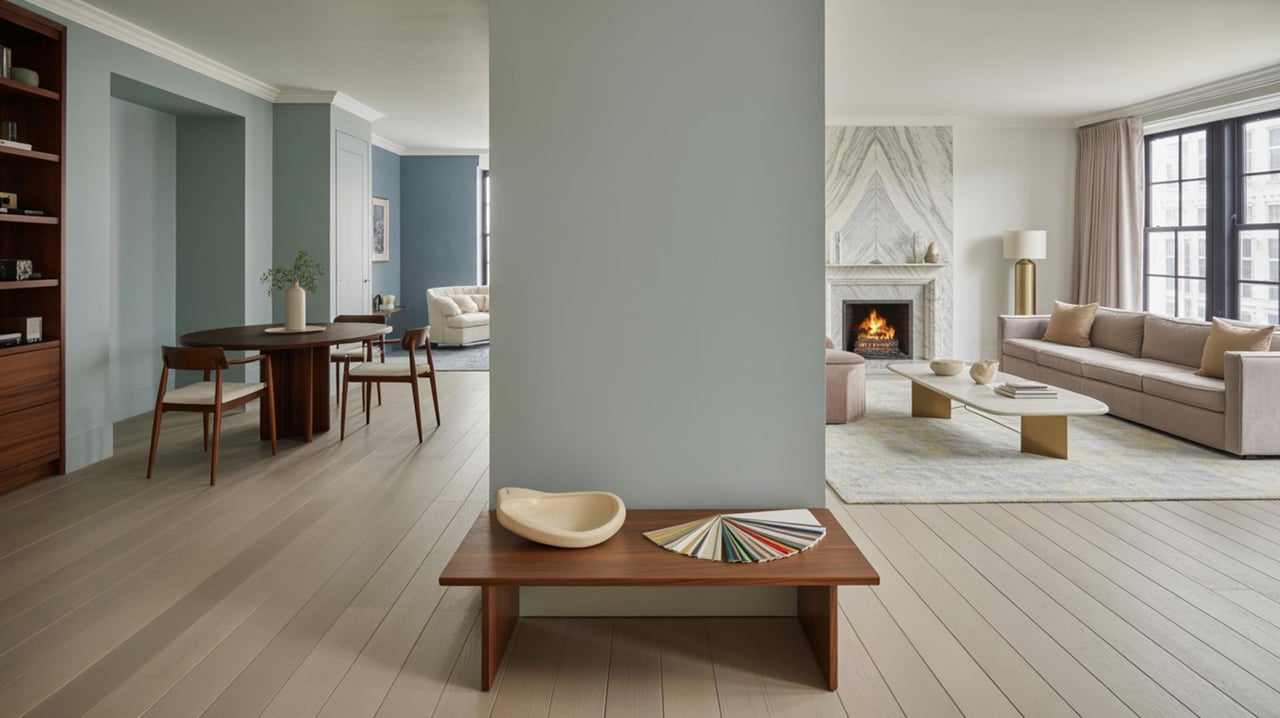
Choosing the right paint colors for each room in a home is both an art and a science. The colors you select can transform a space, influencing mood, perception, and even the perceived size of a room. Understanding the principles of color science can guide homeowners in making informed decisions that enhance the aesthetic appeal and functionality of their living spaces. By considering factors such as lighting, room purpose, and color psychology, it's possible to create harmonious environments tailored to individual preferences.
Understanding Color Psychology
Color psychology explores how different hues affect emotions and behaviors. For instance, blues and greens are often associated with calmness and tranquility, making them ideal for bedrooms or spaces intended for relaxation. On the other hand, vibrant colors like reds and yellows can energize a room, making them suitable for areas like kitchens or home gyms. Understanding these associations can help in selecting colors that align with the desired atmosphere of each room.
Evaluating Natural and Artificial Lighting
Lighting plays a crucial role in how colors appear in a space. Natural light can enhance or alter the perception of a color, while artificial lighting can cast different tones depending on the type of bulb used. It's important to observe how a paint sample looks at various times of the day and under different lighting conditions. This ensures that the chosen color maintains its intended effect throughout the day and night.
Considering Room Size and Function
The size and purpose of a room can influence color selection. Lighter colors can make small rooms appear larger and more open, while darker shades can create a cozy, intimate atmosphere in larger spaces. Additionally, the function of the room should guide color choices. For example, a home office might benefit from colors that promote focus and productivity, such as soft blues or greens.
Testing Paint Samples
Before committing to a color, testing paint samples on the walls can provide valuable insights. Applying samples to different walls allows homeowners to see how the color interacts with the room's lighting and furnishings. It's advisable to observe the samples over a few days to get a true sense of how the color will look in various conditions.
Coordinating with Existing Décor
Harmonizing paint colors with existing furniture and décor is essential for a cohesive look. Consider the color palette of major pieces like sofas, rugs, and artwork. Selecting complementary or analogous colors can enhance the overall design, creating a unified and aesthetically pleasing environment.
Using Accent Walls
Accent walls are a popular way to introduce bold colors without overwhelming a space. By painting one wall in a contrasting or vibrant color, homeowners can add visual interest and depth to a room. This technique works well in living rooms or bedrooms, where a focal point can enhance the room's design.
Exploring Color Trends
While personal preference should always take precedence, exploring current color trends can provide inspiration and ideas. Trends often reflect broader cultural shifts and can introduce homeowners to new color combinations they might not have considered. However, it's important to choose trends that resonate personally and fit the home's overall style.
Balancing Warm and Cool Tones
Achieving a balance between warm and cool tones can create a harmonious and inviting space. Warm colors, like reds and oranges, can add energy and warmth, while cool colors, such as blues and purples, can bring calmness and serenity. Mixing these tones strategically can enhance the room's ambiance and ensure it feels well-balanced.
Considering Paint Finish
The finish of the paint can affect both the appearance and durability of the color. Matte finishes can hide imperfections and create a soft look, while glossy finishes reflect more light and are easier to clean. Choosing the right finish depends on the room's function and the desired aesthetic effect.
Seeking Professional Advice
For those uncertain about color choices, consulting with a professional interior designer or color consultant can provide expert guidance. These professionals can offer insights into color theory, trends, and practical considerations, helping homeowners achieve their desired look with confidence.
Transform Your Home with the Right Colors
Choosing the perfect paint tones for each room can truly transform your home and enhance your living experience. By understanding the basics of color science, you can create spaces that reflect your personality and meet your needs. Whether you're looking to make a room feel more spacious or cozy, the right color choice can make all the difference. For personalized advice and expert guidance, reach out to Kerry Fortune Real Estate today and start your journey to a beautifully colored home.
