Love the idea of a character-filled condo a block or two from 14th Street, but not sure how to separate a true gem from a costly headache? You are not alone. Logan Circle’s boutique condos offer standout architecture and walkable living, yet they can vary widely behind the scenes. In this guide, you will learn what “boutique” really means here, how to evaluate buildings with confidence, and which documents and questions help you buy wisely. Let’s dive in.
What “boutique condo” means in Logan Circle
In Logan Circle, boutique condos are typically small to mid-size buildings with fewer than 100 residences. Many are conversions of older industrial or civic buildings, while others are newer mid-rises with modern finishes. What they share is a focus on location and distinctive design rather than oversized amenity packages.
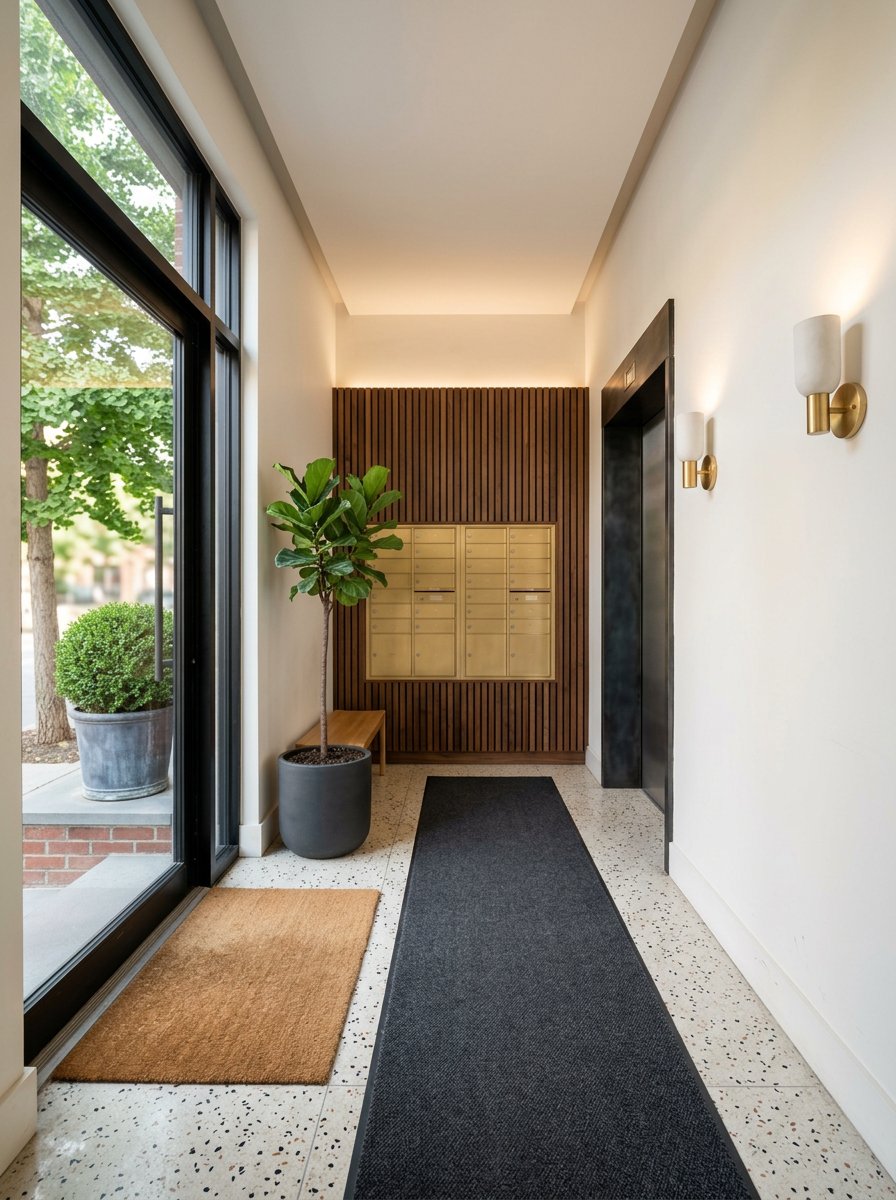
Expect exposed brick, tall windows, and high ceilings in conversions, and efficient layouts with clean, contemporary finishes in newer builds. Amenities often include a roof deck, bike storage, and sometimes garage parking. A few offer concierge service, but many keep things simple to maintain lower fees.
Why this matters for you: boutique buildings trade on character and address, but their governance, reserves, rules, and financing eligibility can differ. Use the building type as your first lens. Conversions often require closer review of building systems and permits, while newer mid-rises tend to offer more predictable operations.
For neighborhood context, Logan Circle is known for its historic rowhouses, loft conversions, and newer condos clustered around 14th Street, all in a highly walkable setting that remains in strong demand for urban buyers. You can read a concise history and overview in this Logan Circle neighborhood profile.
Building styles you will see
Historic loft conversions
Converted warehouses or factory buildings on streets like Church or 14th often deliver oversized windows, volume, and raw materials. They can feel one-of-a-kind and offer strong street presence near dining and retail. Expect limited amenities and more variation unit to unit.
What to check: façade and window condition, roof and waterproofing history, elevator service contracts, and proof that the original conversion work was permitted and closed. Ask for warranties and records of major projects.
Church or parish conversions
Church and parish conversions in the area can have vaulted ceilings, stained glass, and dramatic interior lines. These are statement homes with small-residence communities. Amenities and parking vary.
What to check: code and permit history, reserve funding for exterior masonry and roof elements, and any special assessment patterns for life-safety or structural work.
Contemporary mid-rises
Early 2000s loft-style buildings and mid-2010s boutique projects in Logan Circle typically offer elevators, in-unit laundry, and modern kitchens, with roof decks and some garage parking. Fees are often moderate to higher, reflecting predictable services and maintenance.
What to check: age of building systems, reserve study recency, budgeted reserve contributions, and owner-occupancy ratios that can impact lending.
How to evaluate a boutique building
Financial health and reserves
Ask for the full resale package and financials during your contingency period. Review the current operating budget, recent financial statements, and especially the most recent reserve study and reserve balance. A reserve study identifies major building components and recommends a funding plan. Low reserves or no plan to increase contributions raise the risk of future special assessments. Learn why reserve studies matter in this reserve study overview.
Red flags: repeated special assessments over 3 to 5 years for the same systems, a very low percent-funded reserve position with no plan to improve, and large upcoming capital needs without identified funding.
Warrantability and your mortgage
Most lenders follow Fannie Mae’s condo project standards. They review the budget for adequate reserves and the building’s delinquency and owner-occupancy profiles. If a project is deemed non-warrantable, your financing choices may narrow and become more expensive. Ask your lender early about project eligibility and documentation needs. You can preview the concepts in Fannie Mae’s Full Review process.
Red flags: insufficient budgeted reserves, a high share of units delinquent on assessments, or signs of significant deferred maintenance.
D.C. resale package and buyer rights
In the District, sellers or associations provide a resale package for condos. It includes governing documents, financials, rules, and disclosures. Buyers receive a short statutory rescission period after delivery, which is a built-in cooling-off window to review the materials. Missing or incomplete items can affect timelines and rights, so track delivery dates carefully. For a practical explanation, see this guidance on D.C. condo resale packages.
Rules, rentals, and short-term stays
Confirm the building’s rules around pets, renovations, move-in procedures, and rentals. If you plan to host short-term rentals, know that D.C. requires licensing and generally limits such rentals to an owner’s primary residence. Even if city rules allow it, the condo’s governing documents can be more restrictive. Read the statute summary for the D.C. Short-Term Rental Regulation Act.
Physical systems and inspections
Boutique conversions demand careful attention to building systems. Ask about roof and façade projects, window and waterproofing condition, elevator service and history, plumbing stacks, HVAC equipment, and garage envelope maintenance. Request recent contractor bids and warranties where available. A quick refresher on condo inspection focus areas is helpful here: condo inspection tips.
Layout and livability
Inside the unit, study how space is used. Check storage, the kitchen work triangle, washer and dryer location and venting, natural light, and sound transfer. Visit at different times of day to assess noise from nearby restaurants or mechanical equipment. Consider the size and usability of any balcony or terrace.
Management and community
Ask whether the association is self-managed or professionally managed. Read recent board minutes for signs of responsiveness, compliance issues, or upcoming projects. A well-run building with clear communication supports daily life and long-term resale.
Quick condo due diligence checklist
Request these items during your HOA review contingency and keep timestamped copies of all deliveries:
- Complete resale package, including declaration, bylaws, plats and plans, and rules. See guidance on what to expect in a D.C. resale package.
- Current-year operating budget, the last 2 to 3 years of budgets, plus year-to-date financial statements. Review reserve line items and capital expenditures. For context on reserves, see this reserve study primer.
- Most recent reserve study and current reserve balance. Note the date and whether a site visit was completed.
- Ledger of special assessments over the last 5 years with project descriptions and paid or unpaid status.
- Owner-occupancy and delinquency reports. These can affect financing under Fannie Mae project reviews.
- Insurance declarations for the master policy, including coverage limits and deductibles.
- Board meeting minutes for the last 6 to 12 months and any notices of upcoming capital work.
- Any pending litigation or judgment documents and copies of major contractor agreements.
Targeted questions to send the manager or board:
- “When was the last reserve study completed, and will the board adopt its funding recommendation?”
- “Are any special assessments or major capital projects planned in the next 12 to 24 months? Please share line-item budgets or bids.”
- “What is the current owner-occupancy percentage, and how many units are investor-owned?”
- “Does the association permit short-term rentals, and if so, under what conditions? Do rules align with D.C. licensing requirements?”
- “What is the association’s master policy deductible for a building loss, and how are deductibles assessed to owners?”
How the checklist applies across building types
If you love a historic loft conversion
Focus on building-envelope health. Ask for façade and window reports, roof age and warranty, and any water-intrusion history. Confirm the original conversion permits and Certificate of Occupancy were properly closed. Financially, prioritize reserve study recency and special-assessment history tied to exterior or elevator systems.
If you prefer an early 2000s loft-style building
You will often see steady maintenance profiles and moderate fees. Verify the association is making regular reserve contributions that align with the reserve study. Ask about equipment age for elevators and common HVAC components. Confirm owner-occupancy and delinquency percentages to support conventional financing.
If you want a newer boutique mid-rise
Expect modern finishes and predictable operations, often with roof decks and garage parking. Still review reserves and minutes for upcoming capital projects. Make sure budgeted reserves are adequate and that lending teams confirm warrantability early. Check sound attenuation and sun exposure during multiple visits.
Turnkey next steps
- Get pre-approved and ask your lender how they will evaluate project eligibility for Logan Circle condos. Request a preliminary condo questionnaire if you have a specific building in mind and want to confirm warrantability early using Fannie Mae review standards.
- When you identify a contender, request the full resale package right away and set calendar reminders for your rescission window. Use the checklist above to guide your review.
- Walk the building and neighborhood at different times, talk to neighbors if possible, and read recent minutes to assess day-to-day operations.
If you want a seasoned advocate who knows these buildings and how to surface the right answers fast, we are here to help. Start a focused search and get concierge-level guidance with Kerry Fortune Real Estate.
FAQs
What is a boutique condo in Logan Circle?
- A smaller building, often under 100 units, that prioritizes distinctive architecture and location over oversized amenities, including historic conversions and modern mid-rises.
How does condo warrantability affect my mortgage in D.C.?
- Lenders use standards like Fannie Mae’s Full Review to assess reserves, delinquency, and other metrics. Non-warrantable projects can limit loan options and increase costs.
What should I look for in a D.C. condo resale package?
- Governing documents, financials, the latest reserve study and balance, insurance declarations, board minutes, special-assessment history, owner-occupancy, and any litigation.
Can I do short-term rentals in a Logan Circle condo?
- D.C. requires licensing and generally allows short-term rentals only in your primary residence, and the condo’s rules may be more restrictive than city law.
Are older conversions riskier than newer condos?
- Not necessarily, but conversions demand careful review of building-envelope health, permits, and reserves. Newer mid-rises often have more predictable maintenance but still require diligence.
